Understanding Trezor Bridge: Connecting Your Hardware Wallet to the Web
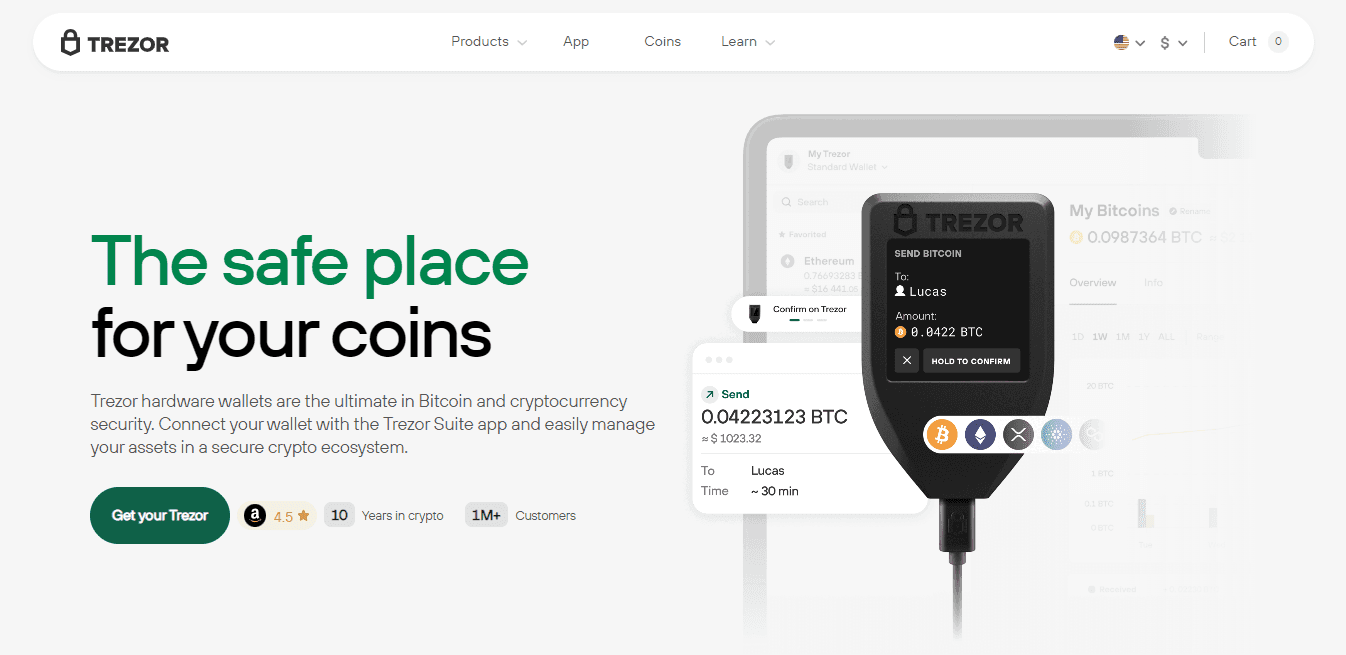
In the world of cryptocurrency, security is paramount. Trezor, a leading hardware wallet provider, has earned a reputation for safeguarding digital assets against hacks and malware. However, to fully interact with Trezor devices through web browsers or desktop applications, users need a secure bridge between their device and the software. This is where Trezor Bridge comes into play.
What is Trezor Bridge?
Trezor Bridge is a small software application that acts as a communication layer between your Trezor hardware wallet and your computer’s web browser. Essentially, it allows your Trezor device to interface with platforms like Trezor Suite, or web-based wallets like MyEtherWallet, while ensuring that your private keys never leave the device. Unlike browser extensions, which are becoming increasingly restricted due to security policies, Trezor Bridge provides a dedicated, reliable, and secure connection.
Why is Trezor Bridge Important?
Without Trezor Bridge, web browsers cannot communicate directly with Trezor hardware wallets. Modern browsers are designed with strict security protocols that prevent direct access to USB devices, which could otherwise pose a security risk. Trezor Bridge overcomes this limitation by acting as a trusted intermediary. It encrypts communication between the browser and your Trezor, ensuring that sensitive information, such as private keys, never reaches your computer or the internet. This makes it a crucial component for anyone looking to securely manage cryptocurrencies.
How to Install Trezor Bridge
Installing Trezor Bridge is straightforward. Users can download the software directly from the official Trezor website. Once installed, it typically runs in the background and automatically detects your Trezor device when connected via USB. After installation, your browser or Trezor Suite will be able to recognize the device, allowing you to check balances, send and receive cryptocurrencies, or manage multiple wallets with ease.
It’s important to note that Trezor Bridge is compatible with major operating systems, including Windows, macOS, and Linux. Trezor regularly updates the software to maintain compatibility with browser updates and operating system changes, ensuring smooth operation.
Security Considerations
One of the key advantages of Trezor Bridge is its strong security design. The communication is encrypted end-to-end, and private keys never leave the hardware device. Users should always download Trezor Bridge from the official website to avoid malicious versions that could compromise security. Additionally, keeping both Trezor Bridge and your hardware wallet firmware updated is critical for maximum protection against vulnerabilities.
Conclusion
Trezor Bridge is an essential component for anyone using a Trezor hardware wallet. It provides a secure, reliable, and easy-to-install connection between your wallet and your computer or browser, enabling seamless cryptocurrency management. By bridging the gap between hardware security and web accessibility, Trezor Bridge ensures that your digital assets remain safe while offering convenience for day-to-day crypto transactions. For those serious about security, it is not just useful—it’s indispensable.